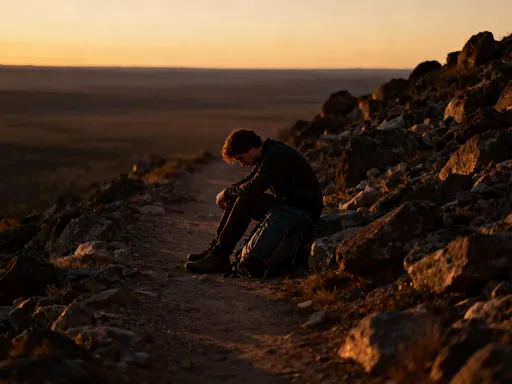
Why Hiking Breaks Your Mood Instead of Fixing It
You head to the trails expecting peace, clarity, and a reset—only to end up frustrated, exhausted, or emotionally drained. I’ve been there. Hiking is often sold as nature’s therapy, but without emotional awareness, it can amplify stress instead of relieving it. This article unpacks the hidden emotional pitfalls of hiking and how to turn your outdoor experience into real mental renewal. While fresh air and movement are beneficial, they don’t automatically lead to emotional healing. Without mindful preparation and self-awareness, a hike can become a mirror for unresolved tension, unmet expectations, or emotional fatigue. The trail doesn’t fix what’s broken inside—it reveals it. Understanding this distinction is the first step toward transforming your time in nature from a source of disappointment into one of genuine emotional restoration.
The Myth of Automatic Healing: Why “Just Go Hiking” Isn’t Enough
Many people believe that stepping into nature is an instant remedy for stress, anxiety, or low mood. The idea is simple: leave behind the noise of daily life, walk among trees, breathe clean air, and return renewed. This belief is deeply embedded in popular culture, supported by countless articles praising the mental health benefits of spending time outdoors. And there’s truth to it—studies show that exposure to green spaces can reduce cortisol levels, lower blood pressure, and improve mood. But these benefits are not guaranteed. They depend heavily on context, intention, and emotional readiness.
What often goes unnoticed is that hiking doesn’t erase emotions—it amplifies them. If you begin a hike already carrying anger, grief, or emotional numbness, the solitude and rhythm of walking may intensify those feelings rather than dissolve them. Nature does not act like a reset button; it functions more like a quiet amplifier. A person walking with a calm mind might feel gratitude and connection. The same trail, walked by someone overwhelmed by internal chaos, could feel isolating or even oppressive. The environment remains unchanged—the difference lies in the inner state of the hiker.
Therefore, assuming that “just going hiking” will fix your mood overlooks a crucial psychological reality: emotional well-being requires more than physical movement. It requires awareness. Without checking in with your emotional landscape before lacing up your boots, you risk turning a potentially restorative experience into one that deepens fatigue or emotional disconnection. Hiking can support healing, but only when approached with intention and self-understanding. Otherwise, it risks becoming another activity where we try to outrun our feelings—only to find them waiting for us at the trailhead on the way back.
Pitfall #1: Emotional Overload in Isolation
Solitude is often celebrated as one of hiking’s greatest gifts. The chance to disconnect from others, escape social demands, and spend time alone with your thoughts seems inherently healing. For many, the quiet of the forest or the openness of a mountain ridge offers a rare opportunity for reflection and inner peace. Yet, for others, this same solitude can become a breeding ground for emotional overwhelm. When left alone with unprocessed emotions, the mind doesn’t always settle—it spirals.
Without the distractions of daily life—emails, chores, conversations—the subconscious mind often rises to the surface. Worries that were buried under routine resurface. Unresolved grief, lingering anxieties, or suppressed frustrations may emerge with surprising intensity. A hiker expecting tranquility might instead confront waves of sadness or restlessness they weren’t prepared to face. In such moments, solitude stops being a refuge and begins to feel like emotional exposure. There’s no one to talk to, no immediate distraction, and no clear way to regulate the rising tide of feeling.
One of the most common signs that isolation is harming rather than helping is the experience of increased rumination—repetitive, unproductive thinking about problems without resolution. Another is a sense of emotional numbness or dissociation, where the hiker feels disconnected from their surroundings or their body. Some report feeling more anxious after a solo hike than before, despite physical exertion that should theoretically reduce stress. These reactions aren’t failures—they’re signals. They indicate that the mind was already under emotional strain and that the hike, rather than relieving it, provided the space for that strain to become visible.
That doesn’t mean solo hiking should be avoided. But it does mean that emotional preparation is essential. For those already navigating difficult emotions, hiking alone may not be the best choice. Walking with a trusted companion, even in silence, can provide grounding. Alternatively, setting emotional intentions before departure—such as “I will notice my thoughts without judging them”—can help create a safer internal environment. Isolation isn’t inherently healing; it’s a tool. Used wisely, it can foster insight. Used without awareness, it can deepen emotional distress.
Pitfall #2: Physical Exhaustion Masking Emotional Struggles
Physical fatigue is a natural part of hiking, especially on longer or more challenging trails. Muscles ache, breath quickens, and energy depletes. These sensations are expected and often welcomed as signs of accomplishment. But when physical exhaustion coincides with underlying emotional strain, the two can become dangerously intertwined. The body’s fatigue can mask deeper emotional distress, making it harder to recognize when you’re emotionally overwhelmed.
Consider this scenario: a woman hikes a steep trail after a week of high stress at home. She attributes her irritability, shortness of breath, and difficulty concentrating to the climb. But in reality, her emotional burnout is amplifying her physical experience. Stress hormones like cortisol remain elevated, making her more sensitive to discomfort. Her mind, already taxed, struggles to regulate emotions in the face of physical challenge. The result? She pushes through the pain, believing she’s building resilience, when in fact she’s compounding emotional fatigue with physical strain.
This confusion between emotional and physical exhaustion is common. Both produce similar symptoms—low energy, difficulty focusing, mood swings, and a sense of being “worn down.” Without deliberate self-check-ins, it’s easy to misinterpret emotional depletion as mere tiredness. The danger lies in continuing to push forward without addressing the root cause. Over time, this pattern can lead to burnout, not just in body but in spirit.
Real-world examples abound. A hiker forces themselves to reach the summit despite feeling emotionally hollow, only to collapse into tears at the top. Another cuts a hike short, frustrated and angry, unaware that their emotional state—shaped by recent loss or unresolved conflict—was driving their reaction. In both cases, the trail revealed emotional truths, but without awareness, those truths were misinterpreted as physical failure.
The solution isn’t to avoid challenging hikes. It’s to develop the habit of pausing and asking: “Am I tired in my body, or in my heart?” A simple breath check—taking three slow, deep breaths and noticing what arises—can create space for clarity. If emotional strain is present, adjusting the hike’s length or intensity isn’t weakness. It’s wisdom. Recognizing that emotional health is as important as physical stamina allows for more sustainable, meaningful outdoor experiences.
Pitfall #3: Unrealistic Expectations and the “Perfect Hike” Trap
Social media has reshaped how we view hiking. Scrolling through curated images of golden sunrises over mountain peaks, serene lakes at dusk, and joyful hikers embracing at summits, it’s easy to believe that every hike should feel transformative. These images suggest that nature is always beautiful, the weather always perfect, and the emotional payoff immediate. But real hiking rarely matches this ideal. Trails are muddy, weather turns, blisters form, and moods fluctuate. When reality clashes with expectation, disappointment follows.
The “perfect hike” trap occurs when we measure a hike’s success by external standards—scenery, distance, photos—rather than internal experience. A rainy hike through the woods may lack the visual drama of a sunlit summit, but it might offer deeper emotional insights. A short walk around a local park may not yield Instagram-worthy shots, but it could provide much-needed stillness. Yet, when we’re fixated on the ideal, we dismiss these quieter, more authentic experiences as failures.
Disappointment isn’t just an emotional letdown—it can deepen existing stress. A hiker who planned a weekend escape to “clear their mind” but is met with cold rain and slippery trails may feel not only physically uncomfortable but emotionally defeated. They might think, “I did everything right, so why don’t I feel better?” This frustration often stems not from the hike itself, but from the mismatch between expectation and reality.
Reframing success is essential. Instead of measuring a hike by how scenic it was, consider asking: Did I stay present? Did I notice my breath, my steps, my thoughts? Did I allow myself to feel whatever arose, without judgment? Shifting the goal from “scenic summit” to “emotional honesty” transforms the entire experience. A muddy, rainy hike where you acknowledged your sadness is more healing than a flawless summit climb where you ignored your inner state.
This doesn’t mean abandoning goals or planning. It means holding them lightly. Let the hike unfold as it will. Allow space for imperfection. When we release the need for a “perfect” experience, we open the door to genuine connection—with nature, with our bodies, and with our emotions.
Building Emotional Resilience Before the Trail
Just as we prepare physically for a hike—breaking in boots, packing water, checking the weather—we must also prepare emotionally. Emotional resilience isn’t built on the trail; it’s cultivated beforehand. A few minutes of intentional reflection before departure can dramatically shift the quality of the experience.
Start with a simple pre-hike check-in. Sit quietly for two to three minutes and ask: How am I feeling today? What emotions are present? Am I carrying stress, grief, or excitement? What do I hope to gain from this hike? These questions aren’t about fixing anything—they’re about awareness. Naming your emotional state creates distance from it, making it easier to observe rather than be consumed by it.
Journaling can deepen this practice. Writing down a few sentences about your current mood helps anchor your intention. You might write, “Today I feel overwhelmed by work. I hope to find some space to breathe.” Or, “I’m grieving a loss. I don’t expect to feel happy, but I want to be present.” These notes become touchstones during the hike, reminders of your starting point.
Mindfulness practices, such as focused breathing or body scans, can also prepare the mind for the trail. Taking five deep breaths, feeling your feet on the ground, or noticing the sounds around you activates the parasympathetic nervous system—the body’s calming network. This doesn’t eliminate stress, but it creates a more stable internal foundation for the hike.
Preparing emotionally doesn’t require hours of meditation or therapy. It’s about pausing, tuning in, and setting an intention. When you approach the trail with this level of awareness, you’re no longer just walking—you’re engaging in a conscious practice of self-care. And that makes all the difference.
Mindful Hiking: Turning Movement into Emotional Regulation
Hiking, at its best, is not just movement—it’s meditation in motion. The rhythmic pattern of steps, the rise and fall of breath, the steady pace—all can become tools for emotional regulation. But this only happens when we engage mindfully. Without awareness, hiking is just exercise. With presence, it becomes a practice of integration.
One of the most accessible techniques is paced breathing. Sync your breath with your steps—inhale for three steps, exhale for three. This simple rhythm calms the nervous system, reduces anxiety, and brings attention to the present moment. When thoughts spiral, returning to the breath-step rhythm acts as an anchor.
Sensory grounding is another powerful tool. Periodically pause and engage your senses: What do you see? Name three colors in your view. What do you hear? Identify two natural sounds—birdsong, wind, water. What do you feel? Notice the temperature, the texture of your clothing, the ground beneath your feet. These small acts of attention pull you out of rumination and into the now.
Intentional pauses are equally important. Stop every 15–20 minutes, not just to rest, but to check in. How is your body feeling? What emotions are present? Are you holding tension in your jaw or shoulders? These micro-checks prevent emotional buildup and keep you connected to your experience.
Over time, the rhythm of walking can synchronize with emotional regulation. Just as a child calms when rocked, the body often finds equilibrium through steady, repetitive motion. But this only works when the mind is allowed to follow. Suppressing emotions during a hike may feel like endurance, but it’s actually avoidance. True resilience comes from walking with your feelings, not away from them.
Recovery and Reflection: Closing the Loop After the Hike
The hike doesn’t end when you reach the trailhead. Emotional processing continues long after the steps stop. Just as the body needs time to recover from physical exertion, the mind needs space to integrate what surfaced during the walk. Skipping this reflection phase is like stopping a conversation mid-sentence—it leaves things unresolved.
Post-hike reflection doesn’t have to be elaborate. A few minutes of quiet journaling can make a significant difference. Write down what you noticed—physically, emotionally, mentally. Did any thoughts repeat? Did a memory arise? Did you feel lighter, heavier, or unchanged? You don’t need to analyze or fix anything. Simply recording the experience helps solidify awareness.
Verbal debriefing can also be valuable. Sharing your experience with a trusted friend or partner—even briefly—creates space for integration. You might say, “Today I felt anxious most of the way, but at one point, I noticed the sunlight through the trees and felt calm for a few minutes.” Speaking it aloud gives shape to the experience and reduces the isolation that often accompanies emotional struggle.
This reflection phase closes the loop. It transforms the hike from a standalone event into part of an ongoing emotional practice. Over time, these small acts of attention build self-awareness, resilience, and emotional clarity. The trail becomes not a place to escape, but a space to return—to yourself.
Hiking isn’t a magic cure—it’s a mirror. It reflects your inner state, for better or worse. By recognizing its emotional pitfalls and practicing intentional awareness, you transform the trail into a space of true mental clarity and growth. The goal isn’t to feel happy every time you hike. It’s to feel real. And in that honesty, there is healing.