What If Your Hair Could Heal Itself?
Ever looked in the mirror and wished your hair felt stronger, shinier, more alive? Many women between 30 and 55 have stood in that same spot, running fingers through brittle strands, noticing more hair in the brush than on their head. For years, the answer seemed to lie in expensive shampoos, serums, or salon treatments. But what if the real solution isn’t on the shelf—it’s in your body? Science now shows that hair doesn’t just grow; it responds. It reflects your internal health, daily habits, and long-term lifestyle choices. True hair wellness begins not with what you put on it, but with what you do for it from within. This shift in thinking—seeing hair as a living system capable of repair—can transform not only how your hair looks, but how you care for yourself overall.
The Truth About Hair Growth: It’s Not Just Genetics
For decades, many believed that hair thickness, growth speed, and even hair loss were written in stone—determined solely by genetics. While DNA does play a role, modern research reveals that it’s only part of the story. In fact, genetic predisposition accounts for some patterns, such as male or female pattern baldness, but even these can be influenced by lifestyle and environment. The idea that thinning hair is inevitable after 30 or 40 is a myth that keeps women from taking actionable steps toward improvement. Hair growth is a dynamic process, deeply connected to hormonal balance, nutrient availability, and overall cellular health. Understanding this empowers women to see hair changes not as a fixed fate, but as signals from the body that something may need attention.
The hair growth cycle consists of three main phases: anagen, catagen, and telogen. The anagen phase is the active growth stage, during which hair follicles produce new cells and lengthen the strand. This phase can last anywhere from two to seven years, depending on individual factors. A longer anagen phase typically means thicker, longer hair. The catagen phase is a short transitional period—lasting about two to three weeks—where growth stops and the follicle shrinks. Finally, the telogen phase is the resting stage, lasting around three months, after which the old hair sheds and a new one begins to grow. On average, a person loses 50 to 100 hairs per day, which is normal. However, when more hairs enter the telogen phase prematurely—a condition known as telogen effluvium—visible thinning occurs.
What causes this shift? Internal imbalances are often the culprits. Hormonal fluctuations, particularly during perimenopause or after childbirth, can disrupt the cycle. Elevated levels of androgens, such as dihydrotestosterone (DHT), may shrink hair follicles over time, leading to finer, weaker strands. Chronic inflammation, often linked to poor diet, stress, or autoimmune conditions, can also impair follicle function. Additionally, nutrient deficiencies—especially in iron, vitamin D, and certain B vitamins—directly affect the hair matrix, where new cells are formed. These internal factors demonstrate that hair health is not isolated; it’s interconnected with the body’s broader physiological state. Addressing them doesn’t reverse genetics, but it creates the optimal environment for hair to thrive despite genetic tendencies.
Your Scalp Is an Ecosystem—And It Needs Balance
Just as soil quality determines how well a plant grows, the condition of your scalp sets the foundation for healthy hair. The scalp is not just skin; it’s a complex ecosystem teeming with microorganisms, oil glands, and active hair follicles. When this environment is balanced, hair grows smoothly, sheds naturally, and maintains strength. But when imbalances occur—such as excess oil, dryness, inflammation, or microbial overgrowth—the result is often dandruff, itching, flaking, or clogged follicles that hinder growth. These symptoms are not merely cosmetic annoyances; they are warning signs that the scalp’s natural harmony has been disrupted.
One of the most overlooked aspects of scalp health is the microbiome—the community of beneficial bacteria and fungi that live on the skin’s surface. A healthy scalp microbiome helps regulate pH, defend against harmful pathogens, and reduce inflammation. When this balance is disturbed—often due to harsh shampoos, over-washing, or environmental pollutants—harmful microbes like Malassezia can overgrow, leading to irritation and dandruff. Studies show that individuals with seborrheic dermatitis, a common scalp condition, often have altered microbial populations. Restoring balance doesn’t mean sterilizing the scalp; it means nurturing the good bacteria through gentle care and avoiding ingredients that strip natural oils.
Daily habits significantly influence scalp equilibrium. Overwashing with sulfates can remove essential lipids, leading to dryness and rebound oiliness. Conversely, infrequent cleansing allows sebum, dead skin cells, and product buildup to accumulate, blocking follicles and increasing the risk of inflammation. Heat styling tools, tight hairstyles, and chemical treatments further stress the scalp, weakening the hair shaft and damaging follicles over time. Even something as simple as sleeping on a cotton pillowcase can create friction, contributing to breakage. The key is consistency in gentle practices: using sulfate-free cleansers, limiting heat exposure, and choosing loose hairstyles that don’t pull on the roots. These small adjustments support the scalp’s natural rhythm, allowing it to function as the fertile ground hair needs to grow strong and resilient.
Silent Stressors: What You’re Not Seeing
Beneath the surface of everyday life lie invisible forces that quietly impact hair health. Chronic stress, poor sleep, and environmental exposure may not show immediate effects, but over time, they take a measurable toll. One of the most powerful yet underestimated influences is cortisol, the body’s primary stress hormone. When stress becomes constant—due to work pressure, caregiving responsibilities, or emotional strain—cortisol levels remain elevated. This hormonal shift can trigger a cascade of physiological responses, including increased inflammation and disrupted hormone signaling, both of which interfere with the hair growth cycle. Research has shown a direct link between prolonged stress and telogen effluvium, where large numbers of hairs enter the resting phase and shed weeks or months later. This delayed reaction often leaves women confused, unaware that a stressful event from months prior could be the root cause.
Sleep is another silent player in hair regeneration. During deep sleep, the body enters repair mode, releasing growth hormone and increasing blood flow to tissues, including the scalp. This nocturnal renewal supports cell turnover and protein synthesis—both essential for keratin production and follicle maintenance. When sleep is fragmented or insufficient, these restorative processes are compromised. Women in their 30s and 40s, especially those balancing careers, parenting, or menopausal changes, often experience disrupted sleep patterns. Over time, this deficit accumulates, weakening the body’s ability to sustain healthy hair growth. Prioritizing sleep hygiene—such as maintaining a consistent bedtime, reducing screen time before bed, and creating a calming nighttime routine—can have a profound impact not only on energy and mood but on hair resilience as well.
Environmental factors also contribute to hair damage, though they are rarely discussed in mainstream hair care. Air pollution, including particulate matter and ozone, settles on the scalp and hair, generating oxidative stress that damages proteins and lipids in the hair shaft. UV radiation from the sun degrades keratin, leading to dryness, brittleness, and color fading. While these exposures may seem minor, their cumulative effect over years can accelerate aging in hair, much like it does in skin. Wearing hats, using leave-in conditioners with UV filters, and rinsing hair after outdoor exposure are simple but effective ways to mitigate this damage. Recognizing these hidden stressors allows women to adopt a more holistic approach—one that protects hair not just from within, but from the world around them.
Nutrition That Fuels Hair from the Inside Out
If hair is made of protein, then food is its building block. Yet, many women eat what they believe is a balanced diet and still struggle with thinning or weak hair. The issue often lies not in total calorie intake, but in specific nutrient gaps that directly affect hair structure and growth. Keratin, the primary protein in hair, requires a steady supply of amino acids, which come from dietary protein. Without adequate intake, the body prioritizes essential functions over hair growth, leading to slower growth and increased shedding. But protein is only one piece of the puzzle. Iron, zinc, biotin, vitamin D, and omega-3 fatty acids are all scientifically linked to healthy hair follicles and optimal growth cycles.
Iron deficiency is one of the most common nutritional causes of hair loss in women, particularly those with heavy menstrual cycles or restrictive diets. Iron helps red blood cells carry oxygen to tissues, including hair follicles. When iron stores (measured as ferritin) fall below optimal levels—even if not low enough to cause anemia—hair growth can slow. Studies suggest that maintaining ferritin levels above 50 ng/mL supports better hair retention. Zinc plays a dual role: it aids in DNA and protein synthesis and helps regulate oil production in the scalp. Low zinc levels have been associated with increased shedding and poor wound healing, including in follicular tissue. Biotin, a B-complex vitamin, supports keratin infrastructure, and while severe deficiency is rare, marginal insufficiency may contribute to brittle hair.
Vitamin D, once thought relevant only for bone health, is now recognized as a key regulator of the hair cycle. Receptors for vitamin D are found in hair follicles, and research indicates that low levels are linked to alopecia areata and other forms of hair loss. Omega-3 fatty acids, found in fatty fish, flaxseeds, and walnuts, reduce inflammation and support scalp hydration, improving elasticity and reducing breakage. Despite their importance, many women do not consume enough of these nutrients through diet alone. Processed foods, dieting trends, and age-related changes in digestion can all contribute to suboptimal absorption.
The good news is that small, sustainable changes can make a difference. Replacing refined carbohydrates with whole grains increases B vitamin intake. Adding lean proteins like eggs, beans, or poultry at every meal ensures a steady supply of amino acids. Snacking on nuts and seeds boosts zinc and healthy fats. For those with confirmed deficiencies, supplementation under medical guidance can help restore balance. However, more is not always better—excessive intake of certain nutrients, such as selenium or vitamin A, can actually trigger hair loss. The goal is not perfection, but consistency in nourishing the body with real, whole foods that support long-term hair vitality.
Daily Routines That Actually Work (No Gimmicks)
In a market flooded with miracle treatments and viral hair hacks, it’s easy to overlook the power of simple, consistent care. The most effective hair routines aren’t flashy—they’re grounded in science and sustainability. A morning and evening regimen that supports scalp health, minimizes damage, and encourages growth doesn’t require a cabinet full of products. It starts with understanding what your hair actually needs: gentle cleansing, stimulation, protection, and time. Unlike quick fixes that promise instant results, these practices build resilience over weeks and months, aligning with the natural pace of hair growth.
In the morning, a few mindful steps can set the tone for the day. Avoid brushing dry, tangled hair, as this increases breakage. Instead, use a wide-tooth comb to detangle from the ends upward. If washing in the morning, use lukewarm water and a mild, sulfate-free shampoo to cleanse the scalp without stripping moisture. Massaging the scalp for one to two minutes increases circulation, delivering oxygen and nutrients to follicles. At night, the focus shifts to protection and repair. Washing too frequently can disrupt the scalp’s balance, so most women benefit from cleansing two to three times per week. On non-wash days, a scalp mist with soothing ingredients like aloe vera or rosewater can refresh without over-cleansing.
The tools you use matter just as much as the products. A boar bristle brush helps distribute natural oils from the scalp to the ends, adding shine and reducing dryness. Plastic brushes with stiff bristles, on the other hand, can cause static and split ends. When drying hair, avoid rubbing it vigorously with a regular towel, which creates friction and weakens the cuticle. Instead, use a microfiber towel or an old cotton T-shirt to gently squeeze out moisture. Heat styling should be limited—ideally no more than once or twice a week—and always used with a heat protectant. Keeping the temperature below 350°F (177°C) helps prevent protein degradation in the hair shaft. Additionally, sleeping on a silk or satin pillowcase reduces friction, helping to maintain smoothness and prevent breakage overnight.
Perhaps the most underrated element of a successful routine is patience. Hair grows at an average rate of about half an inch per month. Changes from improved nutrition or scalp care may take three to six months to become visible. Many women abandon efforts too soon, mistaking slow progress for failure. But consistency—showing up day after day with gentle, informed choices—is what leads to lasting transformation. Over time, these habits become second nature, supporting not just healthier hair, but a calmer, more intentional approach to self-care.
When to Seek Help: Knowing the Red Flags
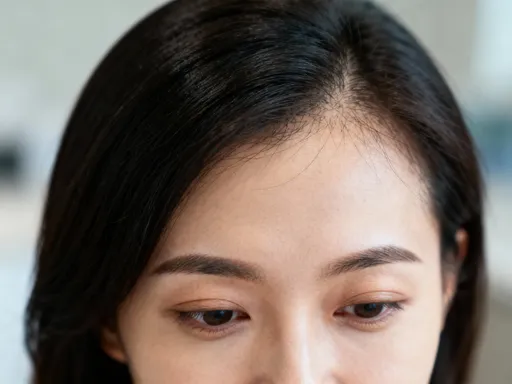
While some degree of shedding is normal, certain patterns should not be ignored. Sudden or excessive hair loss, widening part lines, or visible scalp through thinning areas may indicate an underlying health issue. These signs are not just cosmetic concerns—they are potential signals from the body that warrant professional evaluation. Thyroid disorders, particularly hypothyroidism, are a common cause of hair thinning in women. The thyroid gland regulates metabolism, and when hormone levels are too low, the hair growth cycle slows. Polycystic ovary syndrome (PCOS) can also lead to hair loss, often accompanied by other symptoms like irregular periods, weight gain, or acne. Both conditions are manageable, but early diagnosis is key.
Nutrient deficiencies, especially in iron, vitamin B12, or zinc, can mimic genetic hair loss. A simple blood test ordered by a healthcare provider can identify these imbalances. Similarly, autoimmune conditions like alopecia areata cause patchy hair loss and require specialized treatment. Dermatologists can perform scalp examinations using tools like dermoscopy to assess follicle health and detect inflammation or scarring. They may also recommend a pull test, where gentle tugging determines how many hairs are in the shedding phase.
Tracking changes over time can help both you and your provider recognize patterns. Taking monthly photos under consistent lighting, noting changes in shedding, texture, or scalp condition, provides valuable data. If you notice a sudden increase in hair loss after starting a new medication, experiencing significant stress, or undergoing hormonal changes, it’s wise to consult a professional. Early intervention can prevent temporary shedding from becoming chronic. While it’s natural to feel anxious about hair loss, seeking help is a proactive step toward understanding and resolving the root cause. With the right support, many women regain not only their hair, but their confidence as well.
Redefining Hair Care: From Aesthetic Fix to Long-Term Health
For too long, hair care has been framed as a beauty ritual—an external fix for an appearance concern. But the emerging understanding of hair as a reflection of internal health invites a deeper perspective. Healthy hair is not just about looking good; it’s about feeling well. It’s a sign that your body is nourished, your systems are balanced, and your lifestyle supports long-term wellness. Shifting the mindset from quick fixes to sustainable habits transforms hair care from a source of frustration into a form of self-respect.
This doesn’t mean obsessing over every strand or spending hours on routines. It means making informed choices—choosing foods that fuel growth, managing stress with mindfulness or movement, protecting hair from environmental harm, and seeking help when something feels off. It means viewing hair not as a separate entity, but as part of a whole-body system that responds to how you live. Women in their 30s, 40s, and 50s are often navigating major life transitions—career demands, family responsibilities, hormonal shifts. Caring for hair becomes one small but meaningful way to prioritize self-care in the midst of it all.
The journey to healthier hair is not linear. There will be good days and bad days, progress and plateaus. But every small step—drinking more water, adding a serving of leafy greens, replacing a harsh shampoo, getting an extra 20 minutes of sleep—adds up. Over time, these choices create a foundation for stronger, more resilient hair. And beyond appearance, they foster a sense of agency and well-being. Because when you treat your hair as a living system worthy of care, you’re also sending a message to yourself: you are worth the effort. The result is not just better hair, but a deeper commitment to health—one strand at a time.