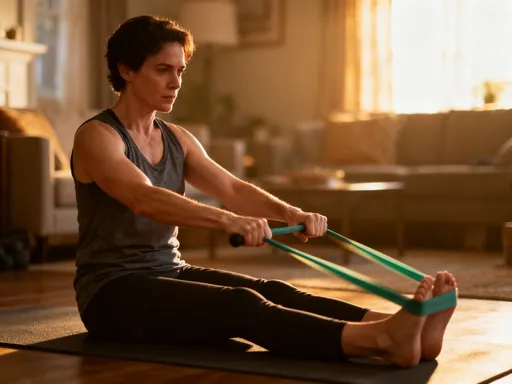
Why Flexibility Is the Secret Weapon You’re Ignoring
Flexibility isn’t just for yogis or dancers—it’s a core part of staying mobile, preventing injury, and feeling good in your body every day. I used to think stretching was a waste of time until I started feeling stiff getting out of bed. That’s when I dove deep into body maintenance and discovered how powerful consistent flexibility work can be. It’s not about touching your toes; it’s about keeping your body functioning smoothly as you age. Over time, small daily habits add up, helping you move with more ease, confidence, and comfort. This article explores why flexibility is one of the most overlooked aspects of health—and how you can start improving it today, no matter your age or fitness level.
The Hidden Crisis of Stiffness in Modern Life
In today’s world, many people spend hours each day sitting—behind desks, in cars, or on couches. This sedentary lifestyle has quietly led to a widespread decline in flexibility. The human body was designed for movement, not prolonged stillness, and when muscles and joints remain inactive for long periods, they begin to tighten. The hip flexors shorten from sitting, the shoulders round forward from typing, and the lower back stiffens from lack of motion. These changes happen gradually, often going unnoticed until simple tasks—like bending to tie shoelaces or reaching for a high shelf—become difficult or uncomfortable.
The consequences of declining flexibility extend beyond minor inconveniences. Reduced range of motion increases the risk of injury during everyday activities. A sudden twist while gardening, lifting a grocery bag, or stepping off a curb can lead to strains or sprains when muscles and joints are tight. Joint pain, particularly in the knees, hips, and spine, often follows. Over time, stiffness contributes to poor posture, which can affect breathing, digestion, and even mood. Research suggests that adults lose approximately 1% of their flexibility per year after age 30 if they do not actively work to maintain it. This slow erosion of mobility means that by middle age, many people have lost significant physical function without realizing it.
What makes this issue so insidious is its invisibility. Unlike weight gain or fatigue, which are more immediately noticeable, flexibility loss creeps in silently. You might not feel it until you try to pick something up from the floor and realize you can’t bend comfortably, or when getting out of a chair requires effort and support. These moments are not just signs of aging—they are signs of underused movement. The good news is that this process is largely preventable. With consistent, gentle effort, flexibility can be preserved and even restored. The key is awareness and action before limitations become permanent.
What Flexibility Really Means (Beyond Touching Your Toes)
When most people think of flexibility, they picture someone effortlessly touching their toes or folding into a pretzel-like yoga pose. But true flexibility is not about extreme contortion—it’s about having a healthy, functional range of motion around your joints. This range is influenced by muscles, tendons, ligaments, and connective tissues like fascia. Flexibility allows your body to move freely and efficiently, whether you’re walking up stairs, turning to check traffic, or lifting a child. It’s the difference between moving with ease and moving with restriction.
There are different types of flexibility, each serving a unique purpose. Static flexibility refers to the ability to hold a stretched position for a period, such as reaching forward in a seated stretch. Dynamic flexibility involves controlled movements that take joints through their full range, like leg swings or arm circles—commonly used as part of a warm-up. Functional flexibility is perhaps the most important; it’s the kind that supports real-life activities, allowing you to bend, twist, reach, and lift without strain. A person may not be able to do the splits but can still have excellent functional flexibility if their body moves well in daily life.
One common misconception is that flexibility is only for the young or athletic. In reality, it’s essential for everyone, especially as we age. Another myth is that being flexible means being “loose” or unstable. On the contrary, balanced flexibility supports joint stability by ensuring muscles are neither too tight nor too slack. Think of your body like a well-oiled machine: just as hinges need lubrication to open and close smoothly, your joints need flexibility to function properly. Without it, movement becomes stiff, inefficient, and more likely to cause wear and tear over time.
Why Flexibility Matters More Than You Think
Flexibility plays a crucial role in maintaining good posture, balance, and coordination—all of which are vital for long-term independence. When muscles are tight, they pull the body out of alignment. For example, tight hamstrings can tilt the pelvis and contribute to lower back pain, while tight chest muscles can cause the shoulders to round forward, leading to neck and upper back discomfort. By improving flexibility, you allow your body to return to a more neutral, aligned position, reducing strain on joints and supporting better posture naturally.
Beyond posture, flexibility directly impacts joint health. Joints rely on movement to stay nourished; synovial fluid, which lubricates them, circulates best when the joint moves through its full range. Limited motion reduces this circulation, increasing the risk of stiffness and degeneration over time. Flexible muscles and tendons also absorb shock more effectively, reducing the impact on joints during walking, climbing, or other activities. This protective effect can help prevent conditions like osteoarthritis and reduce the likelihood of overuse injuries.
Improved flexibility also enhances everyday performance. Simple actions—walking with a longer stride, getting up from the floor without using your hands, or reaching into a back pocket—become easier and more comfortable. You may notice that clothes fit better, not because you’ve lost weight, but because your body moves more freely and your posture has improved. Additionally, regular stretching has been linked to better circulation, which helps deliver oxygen and nutrients to muscles while removing waste products. This can reduce muscle soreness and speed up recovery after physical activity. Over time, these benefits contribute to a greater sense of physical well-being and confidence in your body’s abilities.
The Science Behind How Your Body Responds to Stretching
When you stretch, your body undergoes a series of physiological changes that go beyond the simple feeling of lengthening a muscle. One key component is the muscle spindle, a sensory receptor within the muscle that detects changes in length and speed of movement. When a stretch is too sudden or intense, the muscle spindle triggers the stretch reflex, causing the muscle to contract and resist further lengthening as a protective mechanism. This is why bouncing during a stretch—known as ballistic stretching—can be counterproductive and even harmful. It activates this reflex, increasing tension rather than reducing it.
Consistent, controlled stretching, on the other hand, helps retrain the nervous system to allow greater range of motion over time. This is called neuromuscular adaptation. With regular practice, the brain and muscles learn that a deeper stretch is safe, and the stretch reflex becomes less sensitive. This allows for a gradual increase in flexibility without triggering protective contractions. Additionally, connective tissues like tendons and fascia respond to sustained stretching by becoming more pliable. These tissues adapt more slowly than muscles, which is why flexibility gains take time and consistency.
There is a difference between acute and long-term flexibility gains. A single stretching session may provide temporary relief and a short-term increase in range of motion, often due to reduced neural resistance rather than actual tissue change. This is why you might feel looser after a stretch but return to your usual stiffness the next day. True, lasting improvements come from repeated exposure—stretching regularly over weeks and months. Studies show that noticeable changes in flexibility can occur within 3 to 6 weeks of consistent daily stretching, with continued progress over time. The key is patience and persistence; small, daily efforts yield far greater results than occasional intense sessions.
Simple, Sustainable Methods Anyone Can Start Today
The good news is that improving flexibility doesn’t require special equipment, a lot of time, or advanced skills. What it does require is consistency and intention. One of the most effective strategies is to integrate short stretching sessions into your daily routine. For example, spend five minutes stretching after waking up, during work breaks, or before bed. These small pockets of movement add up and are more sustainable than trying to fit in a long session once a week. The goal is to make stretching a natural part of your day, like brushing your teeth or drinking water.
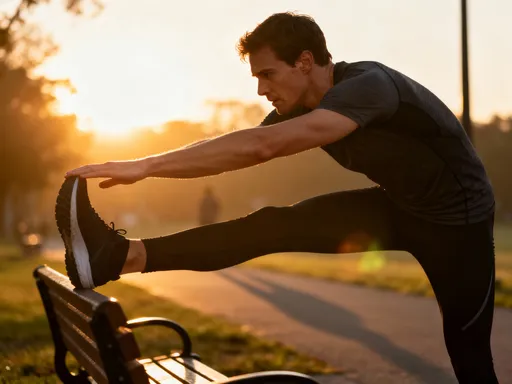
Several techniques are accessible and effective for most people. Static stretching, where you hold a stretch for 20 to 30 seconds, is ideal for improving overall flexibility and is best done after activity or at the end of the day when muscles are warm. Dynamic stretching, which involves moving through a range of motion, is excellent for preparing the body for movement and can be used as part of a morning routine or before physical activity. Active isolated stretching—holding a stretch for just 1 to 2 seconds and repeating it several times—is another gentle method that can be helpful for those with limited mobility or joint sensitivity.
Targeting key areas can make a big difference in daily comfort. For desk workers, hip flexor stretches help counteract the shortening that occurs from sitting. A simple kneeling lunge stretch, held gently for 30 seconds on each side, can relieve tension in the front of the hips. For those who walk regularly or stand for long periods, calf stretches against a wall can prevent tightness that contributes to foot and ankle discomfort. Shoulder rolls and chest openers can offset the forward hunch from computer use. The key is to focus on areas that feel tight or are used frequently, rather than forcing stretches where they aren’t needed.
Remember, more is not always better. Five to ten minutes of mindful stretching each day is more effective than an hour-long session once a week. The goal is not to push to the point of pain but to move gently and consistently. Over time, you’ll notice that movements feel easier, stiffness decreases, and your body responds more fluidly to daily demands.
Common Mistakes That Sabotage Progress
Many people approach stretching with good intentions but unknowingly adopt habits that limit progress or even increase the risk of injury. One of the most common mistakes is bouncing during a stretch. Ballistic stretching, while sometimes used by athletes under supervision, can trigger the stretch reflex and cause micro-tears in the muscle if done incorrectly. This not only reduces the effectiveness of the stretch but can lead to soreness or strain. Instead, a smooth, steady stretch allows the muscle to relax and lengthen safely.
Another frequent error is holding your breath while stretching. Breathing plays a vital role in relaxation and muscle release. When you hold your breath, your body tenses up, making it harder to deepen the stretch. Instead, focus on slow, deep breaths—inhale to prepare, exhale as you gently ease into the stretch. This rhythmic breathing helps calm the nervous system and signals the muscles to let go.
Skipping a warm-up before stretching, especially in the morning or in cold environments, is another pitfall. Cold muscles are less pliable and more prone to strain. A brief warm-up—such as walking in place, arm circles, or light movement—increases blood flow and prepares the body for stretching. Similarly, overstretching—pushing too hard in an attempt to speed up progress—can backfire. Flexibility is not a competition, and pain is not a sign of improvement. Discomfort may be normal, but sharp or shooting pain means you’ve gone too far. Listening to your body and respecting its limits is essential for safe, sustainable progress.
Making Flexibility a Lifelong Habit
Flexibility should not be viewed as a quick fix or a temporary goal, but as an ongoing form of body maintenance. Just as you care for your teeth, skin, or heart health, your muscles and joints need regular attention to stay functional. The benefits of flexibility compound over time: improved mobility, reduced pain, better posture, and greater independence in daily life. As you age, maintaining range of motion becomes one of the most important predictors of quality of life. Studies show that older adults with better flexibility are more likely to remain active, avoid falls, and perform daily tasks without assistance.
To make flexibility a lasting habit, shift your mindset. Instead of seeing stretching as a chore or an afterthought, reframe it as an act of self-care. It’s a moment to connect with your body, release tension, and invest in your long-term well-being. You don’t need perfection—just consistency. Celebrate small wins: notice when you can reach a little farther, when getting out of bed feels easier, or when a movement that once caused discomfort now feels smooth.
Tracking progress can be motivating. You might not see dramatic changes in the mirror, but you’ll feel them in your body. Keep a simple journal or make mental notes of improvements—like being able to bend down without holding onto something, or feeling less stiffness after a long drive. These are real victories. Over time, flexibility becomes less about achieving a specific pose and more about living with greater ease and freedom.
Ultimately, flexibility is one of the best investments you can make in your long-term health. It supports mobility, reduces injury risk, and enhances overall physical function. By dedicating just a few minutes each day to gentle, consistent stretching, you’re not just improving how your body moves—you’re preserving your independence and quality of life for years to come. As with all aspects of health, it’s not about perfection, but about showing up for yourself, one stretch at a time.