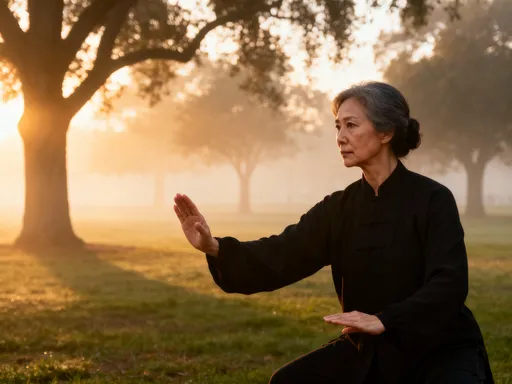
What I Learned from Combining Qigong and Food Pairing for Real Energy Shifts
For years, I chased energy boosts through coffee, supplements, and quick fixes—until I turned to traditional Chinese wellness practices. What changed everything? Blending qigong with mindful dietary combinations. It wasn’t instant, but over time, my stamina, digestion, and mental clarity improved in ways I didn’t expect. This isn’t about extreme diets or magic solutions. It’s about synergy—how movement, breath, and eating the right foods together can gently transform your daily well-being. The shift wasn’t dramatic overnight, but steady and sustainable. I no longer rely on afternoon caffeine to stay alert. My digestion is more predictable, and my mind feels lighter. This journey began not from a desire for perfection, but from exhaustion and a quiet longing for balance. What I discovered was not a secret, but a system—one rooted in ancient wisdom that honors the body’s natural rhythms.
The Burnout That Led Me to Qigong and Food Wisdom
Like many women in their 30s and beyond, I wore busyness as a badge of honor. Juggling family responsibilities, household tasks, and personal goals left little room for self-care. I ate what was convenient—smoothie bowls for breakfast, salads for lunch, and quick grain-based dinners. I walked regularly and even did yoga occasionally, yet I felt constantly drained. My energy would crash by mid-afternoon, my focus would fade, and I’d reach for sugary snacks or a second cup of coffee just to keep going. Sleep didn’t fully restore me. I wasn’t sick, but I wasn’t thriving either.
Then came a moment that shook me—not a diagnosis, but a realization. During a routine check-up, my doctor noted mild fatigue and slightly low iron, but nothing alarming. Yet, I knew something was off. I wasn’t just tired; I felt out of rhythm. That’s when I began researching holistic approaches to wellness. I stumbled upon traditional Chinese medicine (TCM) and its emphasis on energy, or Qi, as the foundation of health. Unlike Western medicine, which often isolates symptoms, TCM looks at the whole person—body, mind, and environment. I learned that fatigue isn’t always about how much you sleep or how many calories you consume. It can stem from Qi stagnation, poor digestion, or imbalances in organ systems, particularly the Spleen and Liver.
What resonated most was the idea that energy isn’t just physical—it’s influenced by breath, movement, and how we eat. I started reading about qigong, a practice I’d heard of but never tried, and food combining principles that focused on digestive harmony rather than calorie counting. I realized I had been treating my body like a machine that needed fuel, not a living system that needed balance. That shift in perspective was the first step toward change. I didn’t overhaul everything at once. Instead, I began with small, intentional shifts—first with qigong, then with how I paired my meals.
Qigong Basics: More Than Just Breathing Exercises
When I first watched a qigong video online, I thought it looked too simple to be effective. Slow arm movements, deep breathing, standing still—how could this possibly boost energy? But as I learned, qigong is not about intensity; it’s about intention. The word “qigong” combines “Qi,” meaning vital energy, and “gong,” meaning cultivation or practice. Together, it refers to a system of coordinated body posture, movement, breath, and focused intention designed to enhance the flow of energy in the body.
Unlike high-intensity workouts that deplete energy in the short term, qigong works to restore and balance it. It’s rooted in the belief that when Qi flows smoothly, the body functions optimally. When it’s blocked or deficient, we experience fatigue, tension, and illness. Scientific studies have shown that regular qigong practice can reduce stress hormones, improve circulation, enhance immune function, and support cardiovascular health. But more than the data, I noticed how it made me feel—calmer, more centered, and quietly energized.
I started with just ten minutes a day, following a beginner’s routine that included gentle stretching, abdominal breathing, and simple flowing movements like “lifting the sky” and “parting the horse’s mane.” The key was consistency, not duration. I practiced in the morning, before the house woke up, standing barefoot on a mat near an open window. Over time, I began to sense subtle shifts—less stiffness in my joints, deeper breaths, and a quiet alertness that lasted through the day. I also learned that qigong isn’t just physical; it involves mindfulness. Each movement is paired with breath and mental focus, creating a moving meditation that calms the nervous system.
One of the most important lessons was learning to move slowly. In a culture that values speed and productivity, slowing down felt counterintuitive. But I discovered that gentle, deliberate movement actually builds stamina. It’s like watering a plant daily rather than flooding it once a week. My body began to respond—not with sudden bursts of energy, but with a steady, reliable presence. I no longer felt like I was running on empty by 3 p.m. The practice became less of a routine and more of a ritual—a daily act of self-respect.
Why Food Combining Matters in Energy Flow
Even as my qigong practice improved, I still struggled with afternoon sluggishness and occasional bloating. I assumed it was normal—part of aging or just being busy. But TCM offered a different explanation: poor food combining was weakening my Spleen Qi. In Western terms, the Spleen is a blood-filtering organ, but in TCM, the Spleen system governs digestion, nutrient absorption, and the transformation of food into energy. When Spleen Qi is strong, we feel energized and clear-minded. When it’s weak, we feel heavy, foggy, and fatigued.
One core principle I learned is that digestion requires heat—what TCM calls the “digestive fire.” Eating foods that are too cold, raw, or improperly combined can dampen this fire, making it harder for the body to extract energy from food. For example, drinking iced water with a warm meal may seem refreshing, but in TCM, it’s like pouring water on a campfire. The stomach has to work harder to warm the contents, diverting energy away from other functions. Similarly, eating fruit immediately after a cooked meal can cause fermentation in the gut, leading to gas and bloating.
Another common issue is mixing too many food categories at once—proteins, starches, and raw vegetables all on one plate. While this is standard in Western eating, TCM suggests that the digestive system works best when foods are compatible in temperature, texture, and energetic quality. For instance, combining raw salads with grilled meat creates a clash—cold and dense versus hot and light—making digestion inefficient. Over time, this inefficiency leads to what TCM calls “dampness,” a buildup of undigested material that clouds the mind and weighs down the body.
I began to see my meals not just as sources of nutrients, but as opportunities to support my energy system. Instead of asking, “Is this low-calorie?” I started asking, “Will this support my digestion?” This shift in mindset was subtle but powerful. I didn’t eliminate any foods—I simply changed how and when I ate them. The result was not weight loss, but increased vitality. My digestion became more reliable, my energy more stable, and my mental clarity improved. It wasn’t about restriction; it was about respect for my body’s natural processes.
My Go-To Dietary Combos That Actually Worked
Putting food combining into practice wasn’t about following rigid rules, but about experimenting with what felt right. I started by making small adjustments to my breakfast, the meal I had long believed was the most important. I used to eat cold cereal with milk or a smoothie packed with raw fruits and greens. While these seemed healthy, I often felt bloated and jittery by mid-morning. Inspired by TCM, I switched to warm, cooked breakfasts that were easy to digest.
One of my most effective changes was switching to warm oatmeal made with water or plant-based milk, cooked slowly and topped with a small amount of chopped dates and a pinch of freshly grated ginger. Oats are nourishing to the Spleen Qi, dates help build blood and energy, and ginger warms the digestive system and reduces bloating. This simple meal became a cornerstone of my routine. I noticed that I stayed full longer, my energy rose steadily, and I didn’t crave sweets by 10 a.m.
For lunch, I shifted away from large salads with raw vegetables and cold dressings. Instead, I focused on steamed or sautéed vegetables, lightly cooked grains like brown rice or millet, and a small portion of plant-based protein such as steamed tofu or lentils. I began incorporating fermented foods like miso soup or a small serving of kimchi (at room temperature) to support gut health. Fermented soy products are considered warming and easy to digest in TCM, making them ideal for midday meals.
Dinner became lighter and earlier. I avoided heavy proteins and raw foods, opting instead for soups, congee, or steamed fish with cooked vegetables. I also stopped eating fruit immediately after meals. Instead, I began eating fruit as a standalone snack in the late morning or early afternoon, when digestive fire is strongest. Melons, in particular, are considered very cooling and are best eaten alone and earlier in the day. This simple timing adjustment reduced my evening bloating and improved my sleep quality.
These combinations weren’t about perfection. There were days when I ate dessert or had a cold drink. But the more I aligned my meals with my body’s natural rhythms, the more I noticed a difference. I wasn’t chasing energy—I was cultivating it. The changes were subtle at first, but over weeks and months, they added up to a new baseline of well-being.
Syncing Meals with Qigong: Timing for Maximum Effect
One of the most transformative insights was learning to time my qigong practice around my meals. At first, I tried doing qigong right after eating, thinking it would aid digestion. But I felt sluggish and uncomfortable. I soon learned that vigorous movement—or even deep breathing—right after a meal can interfere with the digestive process. In TCM, the stomach needs calm and warmth to break down food. Sudden movement can scatter Qi and weaken digestion.
The optimal rhythm, I discovered, was to practice light qigong before meals to stimulate appetite and prepare the digestive system. A short routine of abdominal breathing and gentle torso twists about 15 to 30 minutes before eating helped me transition from a busy mindset to a more relaxed state. This small pause made me more mindful of what I was about to eat and improved my digestion significantly.
After meals, I waited at least two hours before doing any formal qigong practice. Instead, I took a slow 10-minute walk, which TCM supports as a way to aid digestion without overstimulating the body. In the evening, I returned to qigong for a calming routine—soft movements, deep breathing, and seated meditation. This practice helped me transition from the day’s activities to a restful state, improving both sleep quality and next-day energy.
My daily rhythm became more intentional: morning breathwork to awaken Qi, midday stretches to release stagnation, and evening stillness to conserve energy. I no longer viewed qigong as a workout, but as a way to harmonize my internal environment. When synced with mindful eating, the effects were cumulative. I felt more grounded, less reactive to stress, and more in tune with my body’s signals. The key wasn’t intensity, but consistency and timing. Small, well-placed practices created a ripple effect across my entire day.
Common Mistakes (and How I Fixed Mine)
I won’t pretend I got everything right the first time. My early attempts at qigong were too forceful—I pushed myself to complete longer routines, thinking more was better. But instead of feeling energized, I felt drained. I later learned that qigong is not about exertion; it’s about ease. Overdoing it can deplete Qi, especially for those already fatigued. I adjusted by shortening my sessions and focusing on quality over quantity. Even five minutes of mindful breathing became more valuable than a rushed 30-minute routine.
On the dietary side, one of my biggest mistakes was equating “healthy” with “raw.” I believed that eating large salads with cold dressings was virtuous, but my body responded with bloating and cold hands—classic signs of weakened Spleen Qi in TCM. I also drank green smoothies for breakfast, not realizing that the raw, cold nature of the ingredients was dampening my digestive fire. I fixed this by switching to cooked, warm meals and warming spices like cinnamon, cardamom, and turmeric.
Another error was trying to do everything at once. I attempted strict food combining, daily qigong, early bedtimes, and meditation—all in the same week. The result was burnout and frustration. I learned that sustainable change comes from one step at a time. I picked one habit—morning qigong—and stuck with it for a month before adding another. This gradual approach made the changes stick.
Perhaps the most important lesson was learning to listen to my body. There were days when I needed rest instead of practice, or when a warm bowl of soup felt more nourishing than a “perfect” meal. Wellness isn’t about rigid rules; it’s about responsiveness. By paying attention to how I felt—not just physically, but emotionally and mentally—I began to make choices that truly supported my energy. I stopped chasing ideals and started honoring my reality.
Long-Term Shifts: Not Just Energy, But Resilience
After six months of consistent practice, the changes went beyond increased stamina. My immune system felt stronger—I got sick less often, and when I did, I recovered faster. My skin became clearer, my mood more stable, and my ability to handle stress improved. I wasn’t immune to life’s challenges, but I felt more resilient, like a tree with deep roots rather than one swaying in every wind.
These benefits weren’t accidental. They stemmed from the cumulative effect of balanced Qi and mindful eating. When energy flows smoothly and digestion is strong, the body can repair, protect, and thrive. Emotional balance improved because, in TCM, the Spleen is linked to overthinking and worry. By strengthening Spleen Qi through food and qigong, I found it easier to let go of mental loops and stay present.
What surprised me most was the sense of peace that emerged. I didn’t set out to reduce anxiety, but as my body found balance, my mind followed. I no longer felt at war with my energy levels. Instead, I felt in partnership with my body. This journey wasn’t about fixing myself; it was about remembering how to listen.
Today, my routine is simple but powerful: 10 minutes of morning qigong, warm and balanced meals, and a commitment to rest when needed. I still enjoy occasional treats and don’t stress over every food choice. The difference is that I now have tools to return to center. I’ve learned that true energy isn’t found in quick fixes, but in daily acts of care. This isn’t a trend or a diet—it’s a way of living that honors the wisdom of the body. And for any woman feeling worn down by the demands of life, I offer this: small, consistent choices can lead to deep, lasting change. It’s never too late to begin.