How I Made Exercise Actually Fun — And Why Social Energy Changes Everything
For years, I dreaded workouts — until I realized the problem wasn’t laziness, but isolation. What if staying active wasn’t about willpower, but the right company? Turns out, exercising with others isn’t just more enjoyable — it’s more effective. This is how I turned movement into connection, and why group energy might be the missing piece in your fitness journey.
The Loneliness Trap of Solo Workouts
Many people begin an exercise routine with strong intentions, only to lose momentum within weeks. The initial excitement fades, and the treadmill collects dust. While lack of time or energy is often blamed, a deeper issue frequently goes unnoticed: exercising alone can be emotionally draining. Without external support, motivation relies entirely on internal discipline — a finite resource that wanes under stress, fatigue, or routine. The absence of accountability makes it easy to skip a session, and without immediate rewards, consistency becomes difficult.
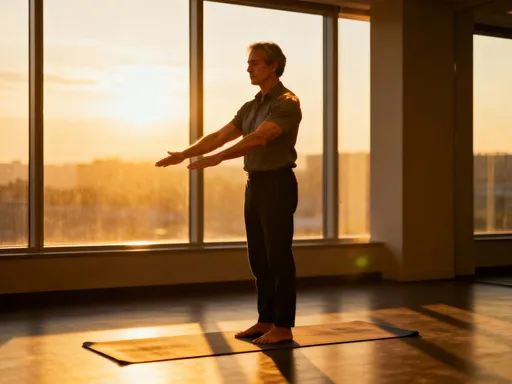
Isolation during physical activity amplifies feelings of boredom and monotony. Running on a treadmill while staring at a blank wall, lifting weights in silence, or repeating yoga poses in solitude may build strength, but they rarely inspire joy. Over time, this emotional disconnect transforms exercise from a self-care practice into a chore. The brain begins to associate movement with effort without reward, reinforcing avoidance behaviors. This cycle is not a personal failure — it’s a predictable outcome of missing social reinforcement.
Scientific research supports the idea that social interaction enhances exercise adherence. A study published in the Journal of Sport and Exercise Psychology found that individuals who exercised with a partner reported higher levels of enjoyment and were significantly more likely to maintain their routines over time. The presence of others increases the release of endorphins, the body’s natural mood enhancers, making physical effort feel less taxing. Additionally, verbal encouragement and nonverbal cues like smiling or matching pace create a sense of shared purpose, reducing perceived exertion. In essence, the brain processes social movement differently — not as a burden, but as a meaningful interaction.
Why Social Activity Is a Fitness Game-Changer
Social exercise extends far beyond gym memberships or fitness classes. It includes any form of physical activity shared with others — walking with a neighbor, playing tag with children in the yard, joining a weekend hiking group, or dancing at a community center. The defining feature is not intensity, but connection. When movement becomes a shared experience, the focus shifts from performance to presence. This subtle change in mindset reduces pressure and increases long-term engagement.
Group dynamics play a powerful role in shaping behavior. In a group setting, individuals tend to exert more effort than they would alone — a phenomenon known as the Köhler effect. This occurs when people perceive themselves as part of a team and feel motivated to avoid letting others down. For example, in a group cycling class, participants often push harder to keep up with the rhythm of the group, even if they would have slowed down on their own. Similarly, the presence of others increases workout duration; people are less likely to leave early when others are still active.
Perceived enjoyment also increases in social settings. A study from the University of Southern California revealed that participants who walked in pairs rated their experience as more pleasant and less strenuous than those who walked alone, despite identical physical effort. The simple act of conversation distracts from discomfort, making time pass more quickly. Laughter, storytelling, and mutual encouragement transform physical strain into emotional uplift. This positive feedback loop strengthens the desire to repeat the experience, reinforcing long-term habit formation.
Perhaps most compelling is the long-term adherence data. Research consistently shows that individuals who engage in social exercise are two to three times more likely to maintain their routines over six months or longer. This is not due to superior fitness levels, but to the emotional scaffolding that relationships provide. Knowing someone expects you to show up — not to perform, but simply to be there — creates a gentle but powerful form of accountability. It turns exercise from a solitary obligation into a shared commitment.
My Turning Point: From Gym Avoidance to Weekly Rituals
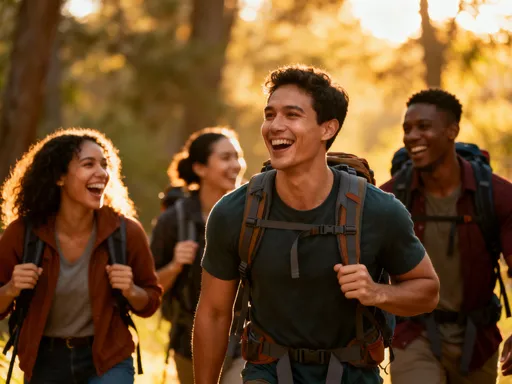
My own fitness journey was marked by false starts. I bought workout DVDs, signed up for online programs, and even invested in home equipment — all of which gathered dust within weeks. The gym felt intimidating, the routines repetitive, and the results slow. I viewed exercise as something I *should* do, not something I *wanted* to do. The moment of change came unexpectedly, when a friend invited me on a casual weekend hike. I agreed reluctantly, expecting fatigue and discomfort. Instead, I found myself laughing, breathing deeply, and losing track of time.
That hike lasted two hours, but it felt like thirty minutes. We stopped to admire wildflowers, shared stories about our families, and encouraged each other up steep trails. There was no pressure to be fast or strong — just the joy of moving together through nature. For the first time, physical activity didn’t feel like a punishment. The mental recovery was just as striking; I returned home energized rather than drained. That single experience shifted my entire perspective: movement could be a source of connection, not isolation.
Soon, I began seeking out similar experiences. I joined a weekly walking group at a local park, started attending a beginner-friendly dance class, and organized family bike rides on Sundays. These activities were not high-intensity, but they were consistent. The emotional benefits became impossible to ignore — reduced anxiety, improved mood, and a renewed sense of belonging. What had once felt like a chore now felt like a celebration. The key difference was not the type of exercise, but the presence of others. Shared effort transformed physical strain into shared joy.
Building an Effective Social Exercise Plan (That Actually Sticks)
Creating a sustainable social exercise routine requires more than good intentions — it needs structure. A flexible framework helps maintain consistency without rigidity. Aim for three to four social movement sessions per week, varying the type and intensity to prevent burnout. The goal is not to maximize physical output, but to prioritize regular participation. When enjoyment is the primary metric, long-term adherence naturally follows.
Begin by identifying activities that align with your interests and schedule. Walking meetings with a friend replace solitary errands. Weekend bike rides with family turn recreation into fitness. Community dance classes offer both movement and music. Even simple acts like gardening with a neighbor or playing catch in the yard count as social exercise. The key is to embed movement within existing relationships, reducing the psychological barrier to starting.
Technology can also support social engagement. Fitness apps that allow friends to track walks, share progress, or send encouragement create virtual accountability. Some platforms enable step-count challenges among small groups, fostering light competition and camaraderie. While digital interaction doesn’t replace in-person connection, it can maintain momentum between face-to-face meetings. The combination of real-world and virtual support builds a resilient network of motivation.
Equally important is the mindset shift from intensity to consistency. Many people abandon exercise because they believe it must be strenuous to be effective. In reality, moderate, regular movement yields greater long-term benefits than occasional intense sessions. A 30-minute walk with a friend may not feel like a “real” workout, but it contributes to cardiovascular health, mental clarity, and emotional well-being. The true measure of success is not calories burned, but the habit of showing up — again and again — with others.
How to Find (or Create) Your Movement Tribe
For many, the biggest obstacle is not motivation, but access. How do you find people to exercise with? The answer often lies in existing networks. Begin by inviting a coworker to walk during lunch breaks, asking a neighbor to join a local park stroll, or suggesting a weekly walk with a sibling or cousin. These low-pressure invitations reduce the fear of rejection and build gradual momentum. Even one consistent partner can transform the experience.
Community resources offer additional opportunities. Local recreation centers, libraries, and faith-based organizations often host walking groups, gentle yoga classes, or volunteer events that involve physical activity. Bulletin boards and online community forums list local fitness meetups, hiking clubs, and dance workshops. These environments are designed for beginners and emphasize inclusivity over performance. There is no expectation to be athletic — only to participate.
For those hesitant about joining groups, consider creating your own. Host a weekly family walk after dinner, organize a neighborhood stroller patrol for parents, or start a book-and-walk club where members discuss a chapter while moving. These self-led initiatives foster ownership and comfort. They also allow customization — choosing routes, pacing, and conversation topics that suit your preferences.
Common fears — such as feeling awkward, being too slow, or not knowing what to say — are natural but manageable. Starting small helps. Attend one class as an observer. Arrive early to introduce yourself. Wear comfortable clothes that make you feel confident. Most importantly, approach others with openness and curiosity. You are not alone in feeling uncertain; many people join groups with the same hopes and hesitations. Shared vulnerability becomes the foundation of connection.
Beyond the Workout: The Ripple Effects of Social Movement
The benefits of social exercise extend far beyond physical health. Regular shared movement deepens relationships. Conversations that begin on a walking trail often continue over coffee, strengthening emotional bonds. The shared rhythm of walking side by side creates a unique space for honesty and reflection — often more intimate than face-to-face dialogue. Trust builds not through grand gestures, but through repeated, low-stakes interactions.
Mental health also improves significantly. Physical activity reduces cortisol, the stress hormone, while social connection increases oxytocin, the bonding hormone. When combined, these effects create a powerful buffer against anxiety and low mood. Many women report better sleep, improved focus at work, and greater patience with family responsibilities after incorporating social movement into their routines. The energy gained from these activities fuels other areas of life, creating a positive feedback loop.
Observational data suggests that individuals who exercise socially report higher overall life satisfaction. This is not merely due to improved fitness, but to the sense of belonging that group activity fosters. In a world where loneliness is increasingly recognized as a public health concern, social movement offers a natural antidote. It meets the human need for connection while simultaneously supporting physical well-being. The body moves, the mind clears, and the spirit lifts — not in isolation, but in community.
Making It Last: Habits, Flexibility, and Realistic Expectations
Sustainability requires a shift from perfection to progress. The all-or-nothing mindset — “If I miss a day, I’ve failed” — is one of the greatest barriers to long-term success. Life is unpredictable. Schedules change, energy fluctuates, and unexpected events arise. The goal is not flawless consistency, but resilient re-engagement. Missing a walk does not erase the benefits of the past month. What matters is returning without self-criticism.
Habit stacking — linking a new behavior to an existing routine — increases the likelihood of success. Pairing a post-dinner walk with family turns a daily obligation into quality time. Walking to the store instead of driving combines errands with movement. These small integrations make exercise feel less like an extra task and more like a natural part of life. Over time, they become automatic, requiring less willpower to maintain.
Flexibility is equally important. If a scheduled group walk is canceled, take a solo stroll while calling a friend. If rain cancels an outdoor class, follow a video together over video chat. The form may change, but the intention — to move with others — remains. This adaptability prevents disruption from derailing momentum. It also reinforces the idea that fitness is not rigid, but responsive to life’s rhythms.
Ultimately, the most transformative shift is in mindset. Exercise is not a punishment for eating or a transaction for looking a certain way. It is a celebration of what the body can do — its strength, its endurance, its capacity for joy. When shared, this celebration becomes collective. It is not about achieving perfection, but about showing up, together, in whatever form that takes. In doing so, we build not only stronger bodies, but richer, more resilient lives.
Exercise doesn’t have to be a solo grind. When we weave movement into our social lives, we tap into a powerful, natural motivator — connection. This isn’t about perfection, but presence. By choosing to move with others, we don’t just build stronger bodies — we build richer, more resilient lives.