How I Got Stronger After Injury – Simple Rehab That Actually Works
Recovering from an injury can feel overwhelming, but I learned that small, consistent steps make a real difference. This is my story of rebuilding strength through simple rehabilitation training—no fancy equipment, just daily effort. I’m not a doctor, but what helped me is backed by science and patience. If you're healing too, this might give you hope and practical ideas to start moving again safely.
The Moment Everything Changed
It happened during a routine morning—nothing dramatic, just a sudden twist while lifting a grocery bag. A sharp pain shot through my lower back, and within minutes, I could barely stand straight. What followed was days of stiffness, limited movement, and a growing sense of helplessness. Simple tasks like bending down to tie my shoes or getting up from a chair became challenges. The frustration wasn’t just physical; it was emotional. I felt disconnected from my body, anxious about whether I’d ever regain full mobility.
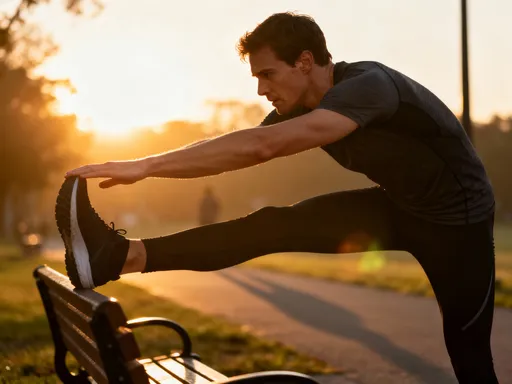
This experience wasn’t unique to me. Millions of adults, especially those between 30 and 55, face similar setbacks every year—often from everyday movements, repetitive motions, or minor accidents. Whether it’s a strained shoulder from gardening, a knee that flares up after a long walk, or back pain from sitting too long, these injuries can disrupt life in profound ways. The fear isn’t just about the pain; it’s about losing independence, missing time with family, or being unable to keep up with daily responsibilities. For me, that moment of injury became a wake-up call: healing wasn’t optional—it was necessary.
Why Rehabilitation Matters More Than You Think
When most people think of recovery, they imagine rest—staying still until the pain goes away. But true rehabilitation is the opposite of inactivity. It’s a structured process of restoring movement, strength, and confidence in the body. Skipping proper rehab, even after a minor injury, can lead to long-term complications like muscle weakness, joint instability, or chronic pain. The body adapts to immobility, and over time, that adaptation becomes a new, less functional normal.
Think of an injured muscle like an engine that’s been turned off for too long. When you try to start it again without warming it up, it sputters or fails. The same happens with your body. Without gentle, progressive movement, tissues stiffen, blood flow decreases, and nerves become hypersensitive. Rehabilitation is the process of safely restarting that engine—gradually, with care. It’s not about pushing through pain; it’s about re-educating the body to move correctly again.
Research consistently shows that structured rehab reduces recovery time and lowers the risk of re-injury. A study published in the Journal of Orthopaedic & Sports Physical Therapy found that patients who followed guided rehab programs were 60% less likely to experience recurring back pain within a year. This isn’t just about feeling better—it’s about building resilience. Rehabilitation isn’t a detour from life; it’s a necessary investment in your long-term well-being.
The First Step: Getting Medical Guidance
One of the most important decisions I made was not to go it alone. As tempting as it was to look up exercises online or try what worked for a friend, I knew I needed professional input. I scheduled an appointment with my primary care provider, who referred me to a licensed physical therapist. That first assessment was eye-opening. The therapist didn’t just focus on my back pain—they looked at my posture, movement patterns, and daily habits. They identified muscle imbalances and movement restrictions I didn’t even know I had.
Self-diagnosis can be dangerous. What feels like a simple strain might be something more complex, like a disc issue or nerve compression. Without a proper diagnosis, you risk doing exercises that could worsen the injury. A healthcare professional can determine what movements are safe, when to progress, and when to hold back. In my case, the therapist ruled out serious conditions and created a personalized plan that matched my recovery stage.
The guidance I received wasn’t just about exercises—it was about education. I learned how to differentiate between good pain (a mild stretch or muscle fatigue) and bad pain (sharp, shooting, or increasing discomfort). I was taught proper body mechanics for lifting, sitting, and standing. This knowledge gave me confidence. I wasn’t just following a routine; I was rebuilding my relationship with my body in a smarter, safer way. If you’re recovering from an injury, please consult a qualified professional before starting any program. It’s not a sign of weakness—it’s a sign of wisdom.
My Daily Rehab Routine – Simple Moves, Real Results
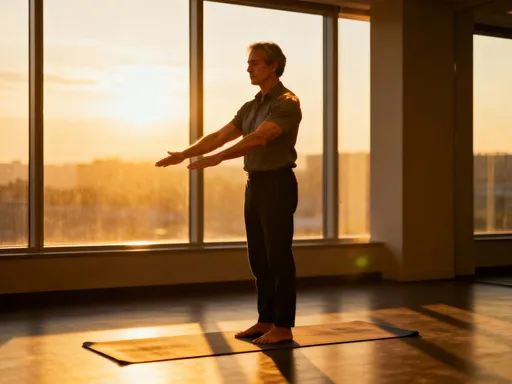
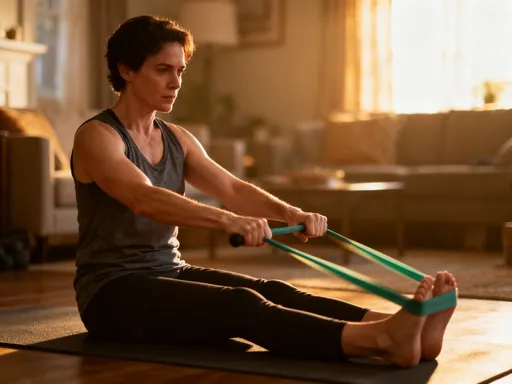
With my therapist’s approval, I began a daily routine that took less than 20 minutes. It didn’t require a gym membership or expensive equipment—just a resistance band, a sturdy chair, and a floor mat. The key was consistency, not intensity. Each movement was chosen to improve mobility, activate weakened muscles, and promote healing circulation.
One of the first exercises was the pelvic tilt. Lying on my back with knees bent, I gently pressed my lower back into the floor by tightening my abdominal muscles. This simple motion helped re-engage my core, which had become dormant after days of guarding against pain. I did 10 repetitions, twice a day. It didn’t feel like much, but over time, I noticed my posture improved and my back felt more supported.
Another essential was the glute bridge. From the same position, I lifted my hips off the floor, squeezing my buttocks at the top. This targeted the gluteal muscles, which play a crucial role in stabilizing the pelvis and reducing strain on the lower back. At first, I could only lift a few inches, but within weeks, my range of motion increased. I also added a resistance band just above my knees to increase activation.
For mobility, I practiced cat-cow stretches on all fours. Moving slowly between arching my back and rounding it helped restore spinal flexibility. I paired this with deep breathing, which calmed my nervous system and improved oxygen flow to healing tissues. I also incorporated seated marches—lifting one knee at a time while sitting in a chair—to improve hip mobility and circulation, especially after long periods of sitting.
These exercises weren’t flashy, but they were effective. Each one was designed to be low-impact, controlled, and repeatable. I started with just a few minutes a day and gradually increased as my comfort and strength improved. The tools I used were affordable and easy to store—a resistance band costs less than $10, and a yoga mat fits under the bed. The goal wasn’t to push limits but to rebuild function, one small movement at a time.
Consistency Over Intensity: The Mindset That Helped Me Heal
Progress wasn’t linear. There were days when I felt worse after exercising, days when I questioned whether anything was working. Motivation dipped, especially when the changes were too subtle to notice. I didn’t wake up one morning pain-free. Instead, healing happened in quiet moments—like realizing I didn’t need to hold the counter when standing up, or that I could reach the top shelf without wincing.
What kept me going was the commitment to show up—even for just 10 minutes. I stopped measuring success by how much I could do and started valuing the act of doing it at all. Some days, I only did pelvic tilts and deep breathing. Other days, I completed the full routine. But I never skipped two days in a row. That consistency built momentum. Science supports this: studies show that regular, low-dose movement stimulates tissue repair, reduces inflammation, and improves neuromuscular coordination.
I also learned to trust the process. Healing isn’t a sprint; it’s a slow reconnection between mind and body. I stopped comparing myself to others or to my pre-injury self. Instead, I focused on how each exercise made me feel in the moment—more grounded, more aware, more in control. This mindset shift was as important as the physical work. It turned rehab from a chore into a form of self-care, a daily promise to honor my body’s needs.
Signs My Body Was Actually Healing (And How You Can Spot Them Too)
Looking back, the signs of progress were there all along—I just had to learn to see them. The first was reduced morning stiffness. Instead of needing 30 minutes to “loosen up,” I could move more freely within minutes of getting out of bed. Then came improved balance—standing on one leg to put on pants became easier. My range of motion increased; I could bend forward to tie my shoes without holding onto the wall.
I started tracking these small wins in a journal. Not with numbers or measurements, but with observations: “Today I walked to the mailbox without stopping,” or “I played on the floor with my child for 10 minutes.” These moments weren’t dramatic, but they were meaningful. They reminded me that healing isn’t just about eliminating pain—it’s about regaining life.
Your body communicates in subtle ways. Tingling might mean nerves are regaining function. A slight increase in endurance—like standing longer while cooking—signals improved circulation and muscle efficiency. Even better sleep can be a sign of reduced inflammation and lower stress levels. Instead of waiting for a big milestone, tune into these quiet signals. They’re proof that healing is happening, even when it doesn’t feel like it.
Patience is essential. The nervous system recalibrates slowly. Muscles relearn patterns over weeks, not days. By celebrating small improvements, you reinforce positive behavior and stay motivated. You don’t need to be perfect—just present, attentive, and willing to keep going.
Preventing Future Injuries – Building Resilience for Life
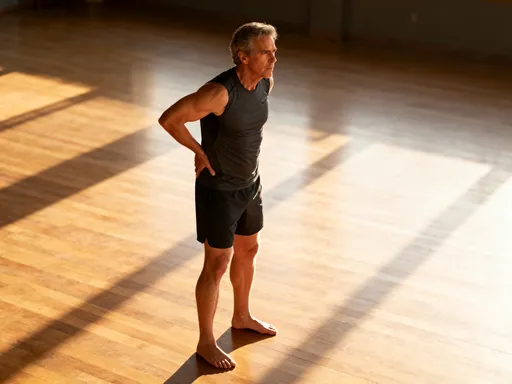
Once I regained my strength, I didn’t stop. I realized that rehabilitation isn’t just for recovery—it’s a foundation for lifelong health. I now do a modified version of my rehab routine three times a week, even on days when I feel fine. These movements have become part of my self-care ritual, like brushing my teeth or drinking water.
I’ve also made changes to my daily habits. I take short movement breaks every hour when sitting. I use proper lifting techniques—bending my knees, keeping my back straight. I pay attention to my posture, especially when using my phone or working at the kitchen counter. These small adjustments reduce strain and keep my body balanced.
Building resilience means preparing your body for the demands of everyday life. Stronger core muscles support your spine. Flexible hips reduce stress on your lower back. Good balance prevents falls. These aren’t just benefits for recovery—they’re protections for the future. The World Health Organization emphasizes that regular, functional movement is one of the most effective ways to maintain independence as we age.
I now view my body not as something fragile, but as something that can adapt and grow stronger with care. Rehabilitation taught me that strength isn’t just about lifting heavy weights—it’s about moving with confidence, stability, and awareness. By making these practices a regular part of life, I’ve reduced my risk of future injuries and improved my overall quality of life.
Healing isn’t a race—it’s a commitment to listening to your body and moving with purpose. My journey taught me that rehabilitation training, when done right, doesn’t just fix injuries; it builds a stronger foundation for daily living. While every body is different, the principles of patience, professional guidance, and consistency are universal. This isn’t medical advice, but real-life insight from someone who’s been there. If you’re on your own recovery path, remember: small steps today create a more mobile, resilient tomorrow.